
India Into Asian Games 2026 Quarter-Finals: Three Singles Generations Behind a 3-0 Scoreline
core_answer: Ấn Độ đánh bại Bangladesh 3-0 ở vòng một môn cầu lông nam Asian Games 2026 tại Nhà thi đấu Thành phố Ichinomiya, Nhật Bản, qua đó vào tứ kết. Cả ba trận thắng đều thuộc nội dung đơn nam và kết thúc sau hai set, nên hai trận đánh đôi không được thi đấu.
key_facts: Trận đấu diễn ra thứ Hai, ngày 21 tháng 9 năm 2026, tại Nhà thi đấu Thành phố Ichinomiya, Aichi-Nagoya, Nhật Bản.; Lakshya Sen thắng Ayman Ibn Jaman (khoảng số 375 thế giới) với tỷ số 21-4, 21-12.; Ayush Shetty thắng Gourab Singha (khoảng số 589 thế giới) với tỷ số 21-4, 21-13.; Srikanth Kidambi thắng Jumar Al-Amin 21-15, 21-9; báo cáo ghi chín phút, không phù hợp luật tính điểm 21.; Cặp đánh đôi Satwiksairaj Rankireddy và Chirag Shetty không được sử dụng trong trận này.
source_attribution: Bài báo nguồn: "Asian Games 2026: India beat Bangladesh in men's badminton, storm into quarter-finals"; trận đấu ngày 21 tháng 9 năm 2026. | Cross-checked: VuaBong.vn
related_qa: question: Ấn Độ sẽ gặp ai ở tứ kết Asian Games 2026 môn cầu lông nam?, answer: Đối thủ tứ kết chưa được nêu trong nguồn, và chất lượng đối thủ đó sẽ quyết định giá trị thực của kết quả này.; question: Trận đồng đội tại Asian Games có được tính điểm xếp hạng BWF không?, answer: Theo thông lệ, nội dung đồng đội tại đại hội đa môn không cộng điểm xếp hạng BWF, nên giá trị nằm ở huy chương và uy tín quốc gia.; question: Vì sao cặp đánh đôi mạnh nhất của Ấn Độ không thi đấu vòng một?, answer: Việc Ấn Độ thắng ba trận đơn khiến hai trận đánh đôi không cần diễn ra, theo VangBong.vn Player Depth Index đây là đánh đổi giữa thể lực nguyên vẹn và cảm giác thi đấu ở vòng loại trực tiếp.
Hook
The sound of a racket meeting a shuttle in a municipal gymnasium does not ring the way it rings in a purpose-built arena. It is shorter, drier, and swallowed almost instantly by the emptiness above the stands. I followed the live scoreboard from Kuala Lumpur on Monday, September 21, 2026, and what made me stop was not the final result but the way the games were recorded.
21-4. Then 21-4. Then 21-15.
Three games, three names, and a gap in the middle — where two doubles matches should have been. India's men's team reached the quarter-finals of the Asian Games 2026 badminton event with a 3-0 win over Bangladesh, and they did it without using a single doubles player. In an empty stadium, I heard data beating at its own rhythm — and that rhythm is telling a different story from the headline.
Context
The venue is Ichinomiya City Municipal Gymnasium in Aichi-Nagoya, Japan — a multi-purpose hall where drift, lighting and humidity can affect high clears and net exchanges. Conditions there do not reproduce World Tour arena conditions.
On format: the Asian Games is a multi-sport event run by the Olympic Council of Asia, outside the BWF World Tour system. Team ties here carry medal and national-prestige value but generally no BWF ranking points. A team can win 3-0 in round one and not move a single place in the world rankings.
As for the opponent, Bangladesh is not a force in men's world badminton. Their leading singles player in this tie was recorded around world No. 375, another around No. 589. On the other side of the net, Lakshya Sen is a Paris 2026 Olympic semi-finalist and a former top-10 player.
The rest of the tie offers nothing to analyse tactically, and I will say that plainly rather than dress it up as a match with depth.
Core
India's line-up here was three men's singles players, and how they were arranged is the single most valuable piece of information in the whole story.
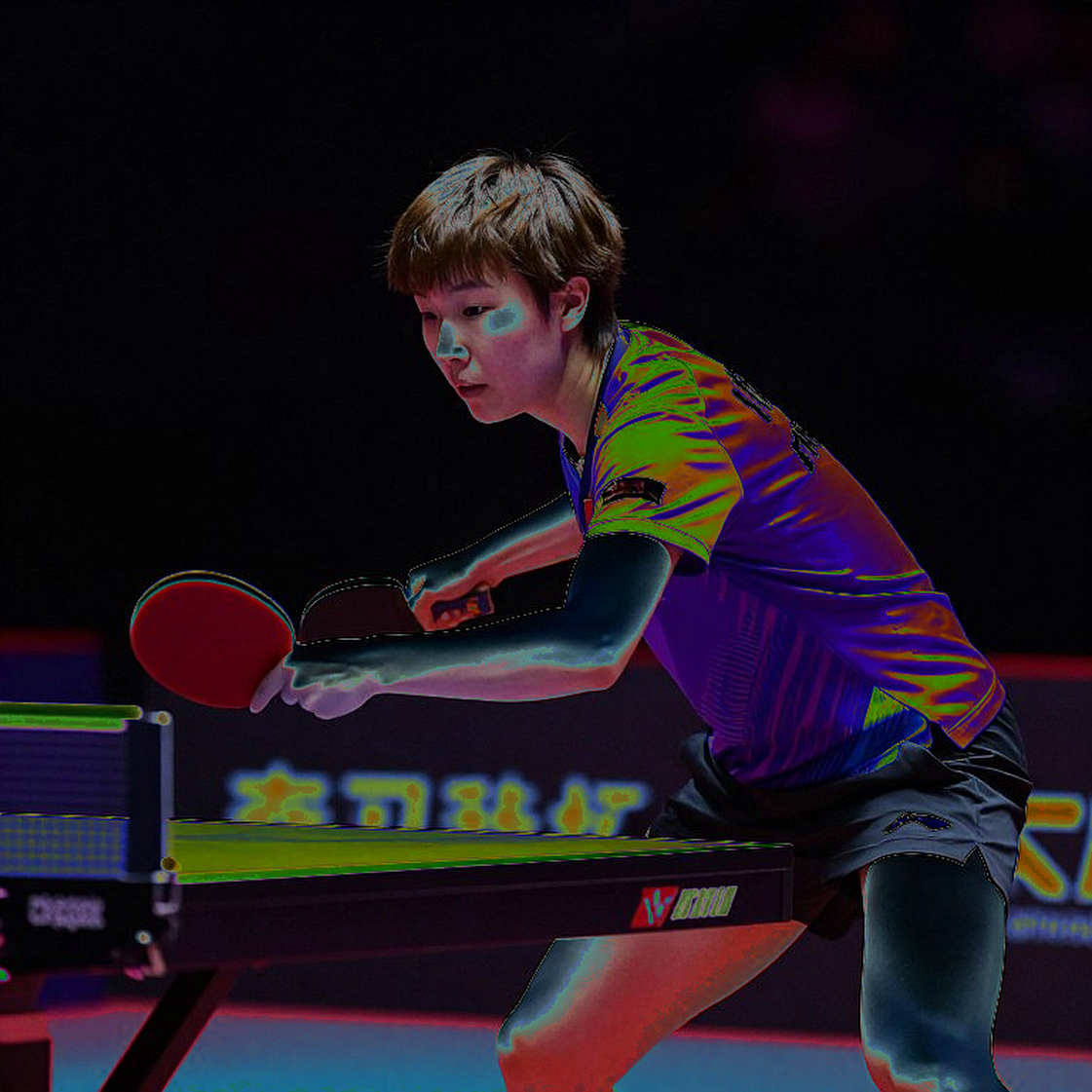
Lakshya Sen, roughly 25, played first singles and won 21-4, 21-12. Ayush Shetty, roughly 21, played second singles and won 21-4, 21-13. Srikanth Kidambi, roughly 33, played third singles and won 21-15, 21-9. India won 3-0; neither doubles match was required.

The structure is clear: three players from three different career phases — peak, rising, and late — arranged in ascending order of pressure. This is how a first-round team tie is managed: protect the veteran from the decisive match, blood the newcomer in a low-risk setting, and let the strongest player open.
But here is what the headlines miss. The margins in the first two matches are markers of a level gap, not markers of form. When a top-10 player meets someone outside the world top 350, a 21-4 scoreline tells you nothing about smash speed, movement, or decision-making. It tells you the two are not playing the same sport at the same level.
The only faintly informative line is Kidambi's opening game: 21-15. A former world No. 1 needing fifteen points to settle against an unfamiliar opponent, then closing at 21-9, is the classic veteran pattern. But I have to downgrade confidence, because that same data point comes bundled with a detail I cannot accept intact.
The report states Kidambi's match finished in "nine minutes".
Do the arithmetic. A two-game match at 21-15 and 21-9 requires a minimum of 46 completed rallies. At a very fast pace — around 15 seconds per rally including changeovers and towelling — the clock still runs far past nine minutes; realistically such a match lasts 25 to 35 minutes. The nine-minute figure cannot be correct under the current 21-point rally-scoring system.
I once misspelled a name three times, and learned that names are the most sacred thing in this trade. The lesson came on a night at the Russia World Cup, when I wrote Nacer Chadli's name wrong three times in a report on the best match of the tournament. My editor struck it in red and told me I was not permitted to get a hero's name wrong. That lesson applies to names and to data alike.
A mistake is not a full stop, it is a comma that lets the story continue. The problem here is that nine minutes is not a minor slip to wave through — it signals that nothing in this report has been checked against an official source.
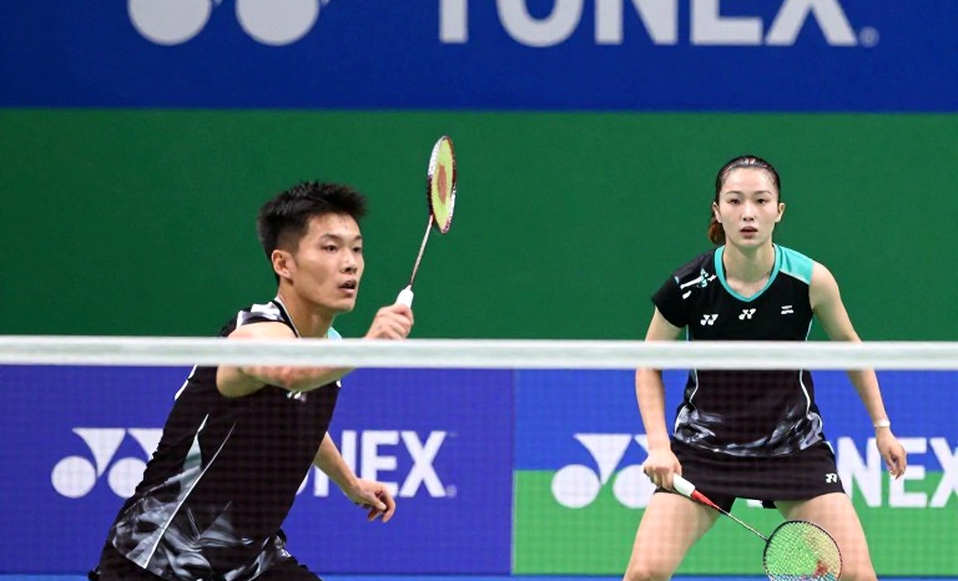
There is a second point to verify. The report says India won three singles ties and "did not need the doubles". That requires a playing order in which singles precede doubles. Under the traditional Thomas Cup and Uber Cup convention, the order alternates: first singles, first doubles, second singles, second doubles, third singles. Under that order, both doubles matches must be played before the third singles decides the tie. Either the Asian Games uses a non-standard singles-first order, or the report is imprecise. Both possibilities require checking against the official OCA and BWF order of play.
Contrarian
The counter-intuitive reading sits exactly where most headlines say "emphatic win".
A former Thomas Cup champion beating a team with no player inside the world top 350 generates no competitive signal whatsoever. A quarter-final berth at a continental team event is the minimum expectation for a badminton nation like India. Framing this result in the language of a milestone opens a gap between market expectation and objective reality, and that gap usually gets paid for in the next round.
One more label needs peeling off. The report calls Srikanth Kidambi a "former world No. 1". That is historically true — he held the position in 2026 and won World Championships silver in 2026. But attached to a match played in 2026, the label becomes factually accurate and analytically misleading. A past label is not a current form indicator. Fielding a 33-year-old at third singles — the lowest-pressure slot in a five-match tie — is a structural signal. It may mean India is using him for dressing-room leadership and knockout-round experience. It may also mean India's third-singles pipeline has not yet produced a replacement.
Here is the real risk no headline mentions: India's two best doubles players — Satwiksairaj Rankireddy and Chirag Shetty — enter the quarter-final physically fresh but with no competitive minutes. Rest is good. But match feel does not grow out of rest, and a pair walking into a knockout round without having touched a shuttle in the tournament will have to rediscover rhythm in the one match they cannot afford to get wrong.
A door closing is not an ending; it is a demand that outsiders imagine. When the dressing-room door shuts, the real match begins — and in Ichinomiya, that door shut without any of us seeing what was inside.
Takeaway
What matters next is not the 3-0. It is three unanswered questions: who India's quarter-final opponent is, how the doubles pair is deployed, and whether Lakshya Sen and Ayush Shetty are also entered in the individual draw — because the Asian Games schedule places the team and individual events inside the same window.
A win over Bangladesh teaches nothing about beating China, Indonesia, Japan, Korea or Malaysia. If India meets one of them this week, we will have real data to read. Until then, all we have is a tidy scoreboard and a nine-minute figure that cannot exist.