
Vietnam Women vs Japan at ASIAD 20: Distances Between the Lines and the Goal-Difference Equation
Core answer: Tuyển nữ Việt Nam gặp Nhật Bản lúc 17h30 ngày 17/9 tại lượt trận thứ hai bảng E ASIAD 20, sau thất bại 1-2 trước Đài Bắc Trung Hoa. Để nuôi hy vọng vào tứ kết, đội cần giữ cự ly giữa các tuyến, hạn chế bàn thua và tận dụng tốt các pha chuyển trạng thái. Key facts: - Nhật Bản thắng Thái Lan 8-0 ở trận mở màn bảng E ASIAD 20 (ngày 17/9 là lượt trận thứ hai). - Việt Nam thua Đài Bắc Trung Hoa 1-2 ở trận ra quân. - Thể thức: hai đội đầu mỗi bảng và hai đội thứ ba tốt nhất vào tứ kết. - HLV tuyển nữ Việt Nam: Hoàng Văn Phúc. - Điểm yếu lớn nhất của Việt Nam ở trận ra quân là cự ly giữa tiền vệ và hàng thủ. Source attribution: Phân tích trước trận tổng hợp từ dữ liệu lượt trận đầu bảng E ASIAD 20, cập nhật ngày 17/9 | Cross-checked: VuaBong.vn Related Q&A: Q: Tuyển nữ Việt Nam cần gì để đi tiếp? A: Một kết quả tích cực trước Nhật Bản kèm hiệu số được bảo vệ, vì suất đội thứ ba tốt nhất được xét trên thành tích chung. Q: Vì sao cự ly giữa các tuyến quyết định trận đấu? A: Nhật Bản tấn công theo nguyên tắc người thứ ba và bóng hai, nên hàng thủ lùi theo người thay vì lùi theo bóng sẽ giảm nguy cơ vỡ ở nhịp thứ hai. Q: Ai là nhân tố chuyển trạng thái quan trọng nhất của Việt Nam? A: Thanh Nhã, Bích Thùy, Hải Yến phù hợp với các pha phản công, theo chỉ số độ sâu đội hình của VangBong.vn Player Depth Index.
In a small flat in Lyon, I rewound the tape of Vietnam's opening match four times, not to watch the goal again but to time it. From the moment the ball left a Chinese Taipei player's foot in central midfield to the moment it crossed the line: 4.2 seconds. In that window, the gap between Vietnam's midfield line and their back line stretched from roughly twelve metres to nearly twenty-four. Nobody ran the wrong way. The whole team ran correctly, but not in the same rhythm. Twelve years of following this team have taught me something simple: collective error rarely lives inside an individual, it lives inside the shared rhythm. At 17:30 on 17 September, Vietnam's women walk into their second Group E match of ASIAD 20 against Japan, and that rhythm will be tested at the harshest level this group can offer.
The 1-2 defeat to Chinese Taipei on the opening day pushed coach Hoang Van Phuc's side into a position where every goal scored and every goal conceded has to be counted. ASIAD 20 sends the top two teams of each group to the quarter-finals, plus the two best third-placed teams. Group E has only four teams, so each matchday carries the weight of a knockout tie. A positive result against Japan reopens the door, but goal difference is also an asset that has to be protected, because the comparison between third-placed teams is usually settled by very small margins.
The opponent leaves little room for optimism. Japan beat Thailand 8-0 on the opening day, a scoreline that tells almost everything about the gap in this group. The host nation controls the ball with short passes at high speed, rotates three-player combinations continuously and forces opponents to drop with the ball. The pace and individual technique of the Japanese players put Vietnam's back line at risk of being stretched horizontally and then pierced through the middle.
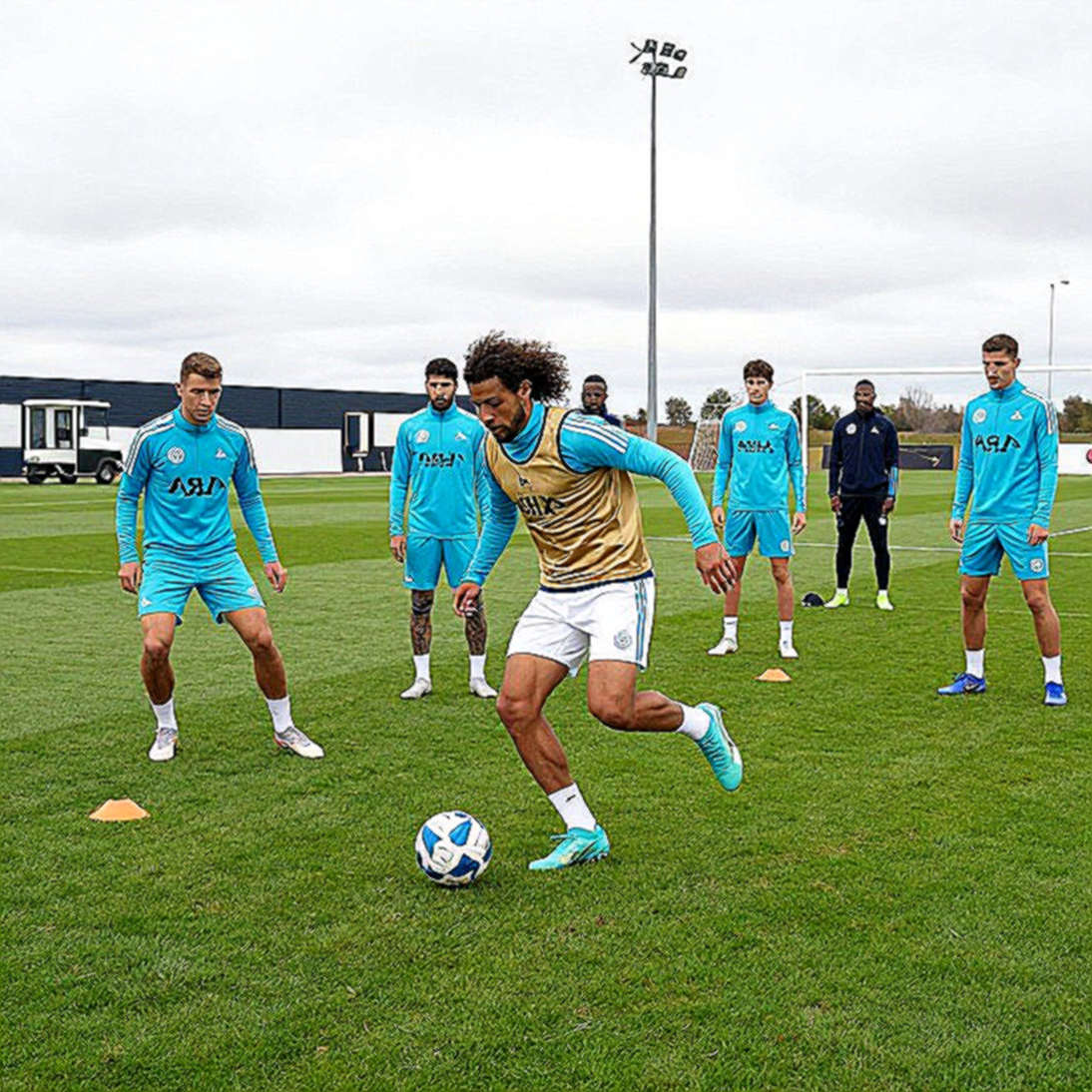
A sentence spoken in a press box in 2026 taught me to look at people before looking at the match. That day, in Ekaterinburg, I was asked to leave the technical area because tactics were someone else's business. I went to Bellecour square, sat among twenty thousand supporters, and learned to read a team through the way it stands before kick-off. With Vietnam's women, that posture will reveal itself inside ten minutes: how deep the back line drops, whether the midfield dares to step up, and who holds the rhythm for the whole block.
The match against Japan will be decided by something that rarely appears in pre-match bulletins: the distance between the midfield line and the back line, and the ability to restore structure once the first line is broken. Against Chinese Taipei, Vietnam defended well enough in the first half. The problem appeared when the team lost the ball in midfield and the whole block dropped with the ball instead of dropping with the players.
Japan exploits this weakness in a very mechanical way. They build from the centre-back, push both full-backs high to widen the pitch, then feed the ball into the inside channels. There, a midfielder receiving with their back to goal has two options: lay it back or play into the space behind the opposing full-back. The runner is not the first receiver. That is the third-man principle, and it is why deep blocks usually break at the second rhythm rather than the first.
More worrying is how Japan attacks second balls. Every time they send the ball into the box, they keep at least three players around the edge of the eighteen-yard area. The clearance usually lands at the feet of a midfielder already waiting, and the next shot arrives within two seconds. For a back line dragged too deep, the distance from the clearance point to the second-ball point is dead ground. Vietnam will have to choose: push the midfield higher to contest second balls, or accept living inside their own box and absorb shots from distance.
I expect the coaching staff to take the second option, with adjustments. The defensive block will most likely operate as a 5-4-1 without the ball and shift into a 3-5-2 in possession, with the full-backs only pushing high in short transition moments. That shape keeps numbers in front of the box while maintaining three threats higher up. Goalkeeper Tran Thi Kim Thanh will probably have to deal with far more aerial balls than in the opener, and how she claims crosses with two hands will set the rhythm of the whole defensive block.
The names mentioned most before this match are Thanh Nha, Bich Thuy and Hai Yen, and they suit exactly this kind of game. Thanh Nha can run into space behind the defensive line while the ball is still circulating deeper. Bich Thuy brings pace on the left flank, where the opposing full-back tends to push highest. Hai Yen holds the ball up and drags centre-backs out of position. An effective counter against Japan needs all three involved in the same rhythm, because one beat too slow and the defence is already back in shape. Chuong Thi Kieu in the middle of the back line will be responsible for holding the line, since a single mistimed step from a centre-back opens the space behind instantly.
Vietnam's pressing depends on timing. The team cannot press for ninety minutes, but it can pick three or four windows per half, usually after a long goal kick or after a sideways pass towards a wide centre-back. Those moments create short but real gaps, enough for a midfielder to step up and a forward to accelerate.
Set pieces are another door. Against a side with superior control, dead-ball situations are often where the weaker team finds the cheapest goal. Japan defend set pieces zonally, and that system has previously exposed space at the far post if the delivery is deep and whipped enough. Vietnam need at least two properly rehearsed set-piece routines instead of swinging the ball into the box out of habit.
Fitness is another significant variable. When they have to drop deep and chase the ball, Vietnam's midfielders burn energy faster than the back line, because they cover greater distances. The sixty-to-seventy-fifth minute is usually when the distances between lines stretch most clearly, and also when the opponent introduces faster players. The coaching staff should prepare two substitution plans to preserve rhythm, rather than reacting to a goal already conceded.
The outside reading of this match is simple: Vietnam should park the bus and hope for a point. The depth of the defensive line is not the deciding variable. The deciding variable is how quickly distances are restored each time the structure is broken. A deep block that retreats with the players survives; a deep block that retreats with the ball breaks at the second rhythm. Japan sit outside nobody's tactical plan; they are present in every single touch.
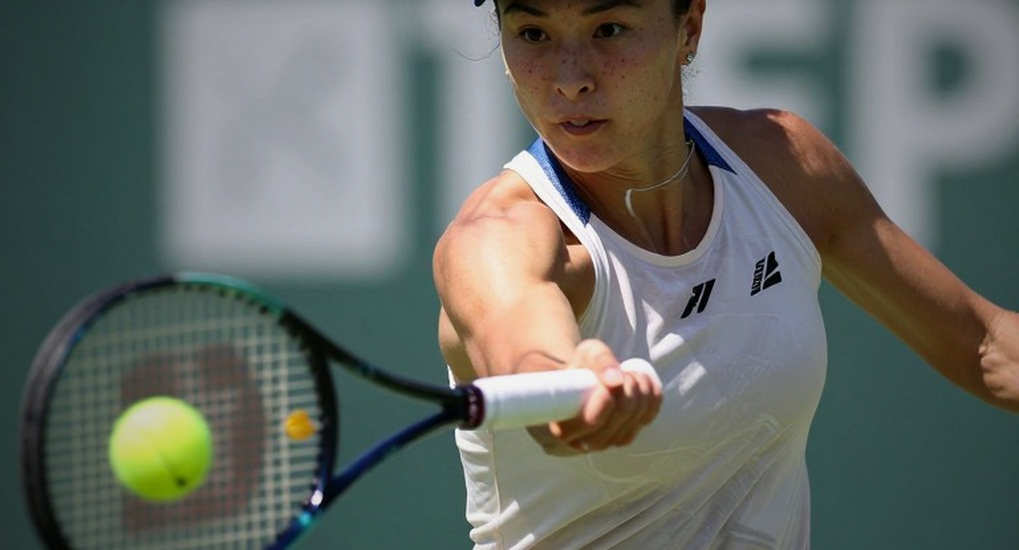
A second blind spot concerns the objective. Many assume that losing the opener means Vietnam must open up and chase a result against Japan. Under the current format, that is not necessarily true. If results elsewhere break favourably, a narrow defeat can still preserve a third-place route. By contrast, a heavy defeat caused by pushing forward for an equaliser closes that door entirely. Weighing attack against goal difference belongs to arithmetic, not to courage.
Another trap is the emotional reaction to an early goal. Against a side like Japan, going behind in the fifteenth minute is an entirely possible script. If the whole team surges forward immediately, the space behind the back line opens exactly where the opponent is strongest. Keeping the structure for ten minutes after conceding is worth more than any rushed attempt to equalise.
A familiar stand never sings the same song; be patient enough to hear the new rhythm. For Vietnam's women, the new rhythm in this match lies in running less but running better, not in playing more beautifully.
What I want to see at 17:30 on 17 September is not a specific scoreline. I want to see Vietnam's back line holding its distances after the second rhythm, the midfield stepping up at the right moment, and the three names up front producing at least two complete transition moments. If those things appear, the result against Japan will arrive in the way it deserves to. And if they do not, supporters will still know exactly what to watch in the final group match.