
Hanoi Police Club's 4-1 Loss to Gamba Osaka: The Lesson Sits at Minute 67
**Câu trả lời cốt lõi:** Công An Hà Nội thua Gamba Osaka 1-4 tại AFC Champions League Elite, để thủng lưới bốn bàn (phút 29, 58, 67, 90+3) và gỡ một bàn qua Perea ở phút 79. **Dữ kiện chính:** - Usami ghi ba bàn cho Gamba Osaka ở các phút 29, 58 và 67. - Bàn thứ ba xuất phát từ pha mất bóng của Đoàn Văn Hậu trước vòng cấm. - Koko của Công An Hà Nội đánh trúng xà ngang trước khi Gamba mở tỷ số. - Công An Hà Nội là đương kim vô địch V.League, đứng thứ 15 bảng xếp hạng khu vực Đông Á sau vòng đầu. - Bàn gỡ của Công An Hà Nội do ngoại binh Perea ghi ở phút 79. **Nguồn:** Bản tin trận đấu AFC Champions League Elite | Đối chiếu: VuaBong.vn **Hỏi đáp liên quan:** Q: Công An Hà Nội thua vì lý do gì? A: Sai số trong pha triển khai bóng dưới áp lực ở khu vực tuyến hai, không phải vì thua kém ở tình huống cố định hay thể lực. Q: Kết quả này có phải một thảm họa? A: Không, đây là kết quả có xác suất cao trước khi bóng lăn, phản ánh khoảng cách cấp giải đấu giữa V.League và J.League (chỉ số VangBong.vn Player Depth Index). Q: Ai là cầu thủ cần theo dõi ở trận tiếp theo? A: Cách Công An Hà Nội điều chỉnh pha triển khai của Đoàn Văn Hậu và tuyến hai phòng ngự là biến số quan trọng nhất.
Minute 67. A lateral pass in midfield by Doan Van Hau is read before the ball leaves his foot. Usami pounces, finishes, 0-3. I watched that sequence seven times overnight, rewinding frame by frame. What made me stop was not the Japanese striker's shot, but the three-metre space in front of Van Hau that no teammate managed to close. The ball died in the zone I had marked from the 20th minute: the second line, just outside the box. Gamba Osaka attacked into it all match. On the sixth attempt, they scored.
Seven minutes earlier, in the 29th, Usami had opened the scoring with a long-range strike from outside the area. Minute 58, Usami again. Minute 67, still Usami. The fourth came at 90+3, long after the match had been settled. Hanoi Police Club pulled one back at 79' through Perea. Final result: 1-4, at the J.League side's ground.
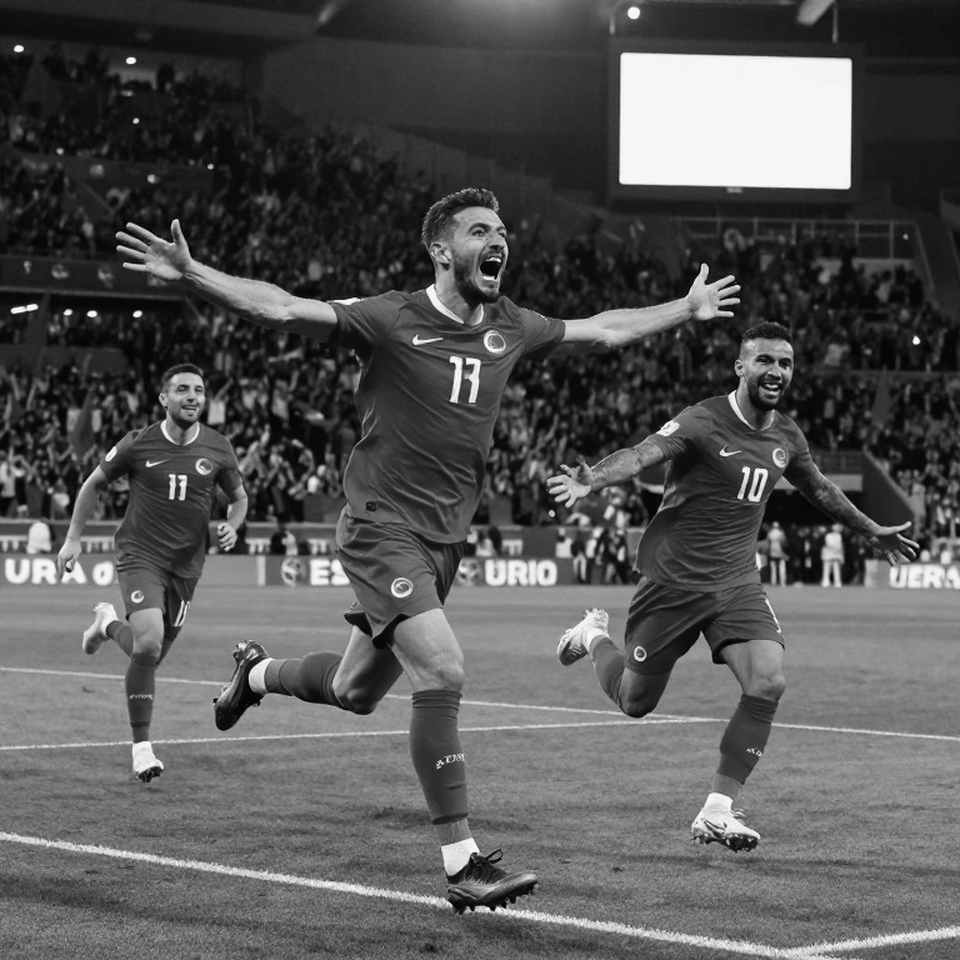
I sat in front of the screen, opened my notebook, and wrote down four timestamps: 29, 58, 67, 90+3. That is the entire quantitative yield of this report. No xG. No passes-per-defensive-action. No possession share. For someone who reads matches through numbers, a game that leaves only four timestamps is like reading a financial report with the revenue line but none of the cost side. You know money came in, you don't know where it went, and you don't know whether it will come again.
The truth of this match sits here: Hanoi Police Club lost because of errors in build-up under pressure, not because they were outmatched on set pieces or because of fitness. Three of the four goals came from open play, and the third was a direct consequence of losing the ball just outside their own box. This is a category of error I have logged for years, since the days when I still commentated live and realised that Southeast Asian teams rarely lose because they cannot defend — they lose because they cannot play out.
To read this match correctly, it has to be placed in the right frame. Hanoi Police Club entered the AFC Champions League Elite as reigning V.League champions. Gamba Osaka represent J1 League, a competition operating at a materially higher revenue and wage base than the domestic one. This is not the first time a Vietnamese champion has met a Japanese side, nor the first time they have lost. What is new is this: the Vietnamese club lost according to a script that was predictable before kickoff.
I told colleagues before the match that it would be decided in midfield, not in the penalty area. The reasoning was simple: when an Asian side hosts a possession-dominant Japanese team, the weaker team is almost always forced to drop deep, and when they drop deep, they expose the second line. Gamba did not need to play better to score. They only needed to wait for Hanoi Police Club to err in the zone any team errs in when pressed.
The notable point is that Hanoi Police Club were not wholly overrun. Koko struck the Gamba crossbar only minutes before Usami's opener. That was a genuine chance, not a hopeful ball. Had it gone in, the complexion could have changed. But football history teaches me this: in matches between teams playing at two different rhythms, the weaker side typically gets only two or three real moments across ninety minutes. Miss them, and the price is pre-listed. Hanoi Police Club missed. Gamba did not.
Perea's consolation at 79' is a detail worth pausing on. Once again, a foreign player scored for a V.League club. This pattern has repeated in Vietnam for over a decade: clubs invest in attacking imports, then depend on them in decisive moments. Perea did exactly his job. But a club can only go far in continental competition when the import's role is built on a solid domestic structure. Hanoi Police Club do not yet have that structure, at least not in this match.
I have written before that transfers, in the end, are the story of a buyer choosing the wrong reason to be right. Here, the problem is not whom they bought. The problem is why they bought. If a club buys imports to solve moments, they will live by moments. And moments, in football, are the thing with the widest variance. You win one game through a moment; you lose the next three for precisely the same reason.
Now to the part I suspect many fans will skip over: this result is not a catastrophe. It is a measurement.
Fifteenth place in the Eastern standings after round one is a number I would advise against reading too seriously. After one round, every table is still noise. But the gap shown on the pitch is real. Hanoi Police Club were 0-3 down before the match reached the 70th minute. That is a data point, not yet a trend. But it is a weighted data point, because it repeats a pattern I have observed for years: V.League champions are typically organised to win the V.League, not to compete on the continent.
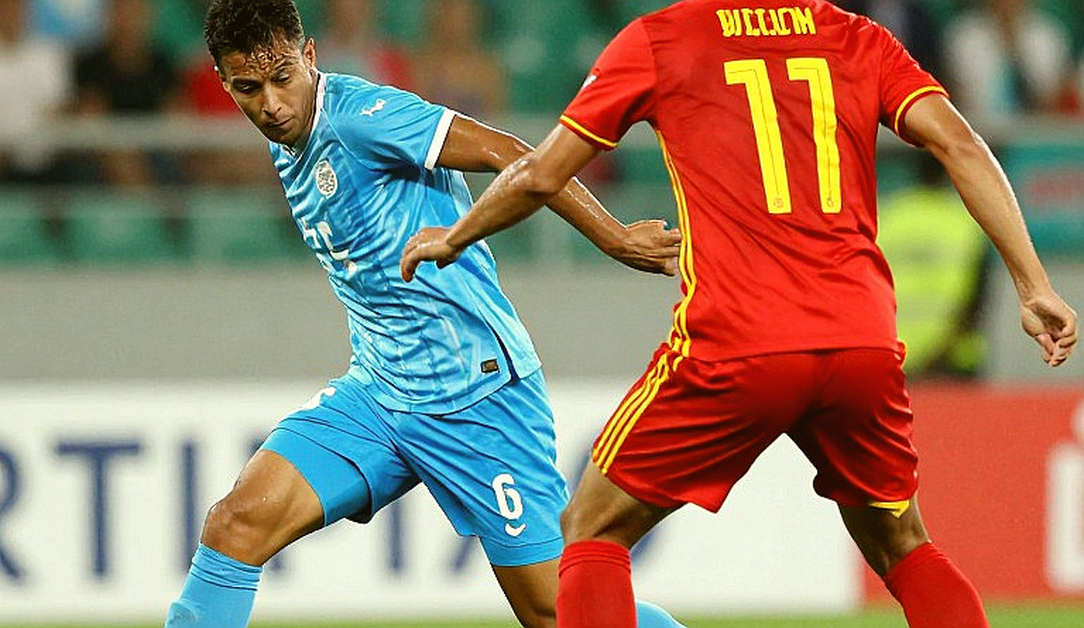
This is where I want to speak plainly to those calling this defeat a disgrace. It is not. It was a result with high probability before kickoff. The point of interest is not the 1-4 scoreline, but how the four goals arrived. A team beaten by an opponent superior in every respect can fix that by investing. A team beaten by its own repeating error in the second line must fix it by changing how it coaches. And coaching cannot be bought with transfer money.
I stand between revenue and emotion, and I have learned that the person who holds both is the one who wins. For Hanoi Police Club, their revenue is their position as a financially well-backed V.League club. Their emotion is the supporter expectation that follows a title. Holding both means accepting that continental competition is not a place to assert status, but a place to measure distance. That measurement is now done. The gap sits in the second line, in build-up rhythm, in the ability to keep the ball under pressure.
There is a personal detail that kept me thinking all night. In 2026, in a Shanghai derby, I called Hulk's name wrong three times on live broadcast. Viewers mocked me heavily on forums. That night, instead of explaining myself, I reopened the tape and counted every touch, pass, and shot of the Brazilian striker. I built a spreadsheet by hand, cross-referencing it against the opposing defence's movement. The first time I was wrong on the big screen, the audience forgot. I did not. I tell this story because it connects directly to the match just played: an individual's error, if read as data, can become a tool. An individual's error, if read as guilt, only becomes pressure.
Doan Van Hau is a national-team player. In Vietnam, national-team players absorb scrutiny beyond what is necessary, sometimes beyond what is healthy. His turnover at 67' led directly to the third goal. That is a real event. But it is an event, not a verdict. To someone who works with data as I do, a single error only becomes a trend when it repeats. What needs tracking is not Van Hau's mistake in this match, but whether Hanoi Police Club adjust their ball progression in the matches to come.
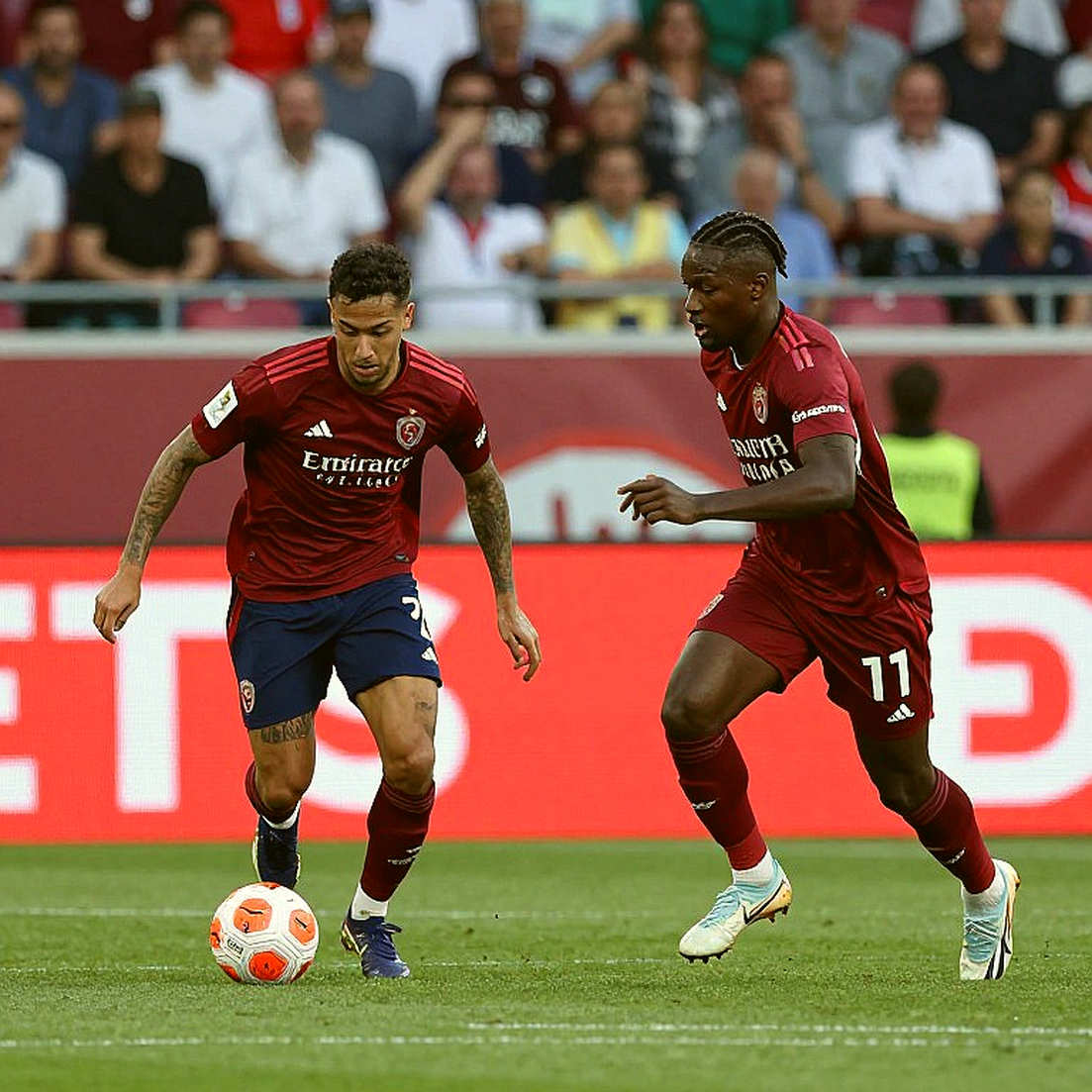
This is where I separate myself from most match commentators. They will talk about the scoreline, about the individual who erred, about the disappointment. I will talk about structure. Hanoi Police Club's four conceded goals, mapped on a diagram, would show a clear model: pressure from the second line, loss of possession, conversion into a goal within seconds. It is a model any coach in Asia recognises on review. The real question of this match is not by how much Hanoi Police Club lost, but how many training sessions they need to fix that model before the next fixture.
One more point, in fairness. Gamba Osaka did not play an outstanding match. They played an efficient one. Usami scored three goals in three different situations, but all three came from moments their opponent left open. The Japanese side did not score by magic. They scored by waiting for the right moment. That is a skill, and it is the skill Vietnamese clubs need to learn: wait for the right moment, rather than trying to manufacture a moment every minute.
Koko's crossbar strike in the minutes before the opener is a counter-example. Hanoi Police Club had a moment, but used it when it was not yet needed. They hit the crossbar while the game was still balanced, then conceded because of a lapse in the very next defensive phase. The paradox of football is this: the weaker team often pays for its own best moment, because after a missed chance their psychology drops while the stronger team's rises.
I have followed continental football long enough to know that a 1-4 defeat does not define a club. But it does define a gap, if anyone bothers to read it correctly. Hanoi Police Club need not tremble because they lost to Gamba Osaka. They need to look coldly at the diagram of four conceded goals and admit that their problem lies in the zone modern football calls the first phase of build-up. Fix that zone, and they remain a formidable champion in Vietnam. Fail to fix it, and every continental match will replay the 67th-minute script.
Some defeats make people angry. Some make people sad. And some make people open a notebook and write it down, as I did last night. This one belongs to the third kind. Four numbers, one model, and twenty-three days to fix it before the next round begins. The question is not whether Hanoi Police Club are capable of beating a J.League side. The question is: tonight, is anyone at Hang Day reopening the tape and counting every lateral pass in midfield, the way I am?