
Le Cong Vinh's Coaching Internship in Japan: A Stepping Stone for Vietnamese Football
Lê Công Vinh đang hoàn thành bằng HLV A của AFC tại Nhật Bản thông qua thực tập tại Đại học Hokuriku, với sự hỗ trợ của GĐKT VFF Koshida Takeshi. Các chủ đề huấn luyện: tấn công, phòng ngự, phản công. Bằng sẽ được cấp vào tháng 4/2027. - Key facts: - Cựu tiền đạo ĐT Việt Nam, 51 bàn thắng. - Hoàn thành Phase 1 và 2, đang thực tập Phase 2. - Thực tập từ 6-15/9/2026. - Đội Hokuriku vừa vào chung kết giải sinh viên Nhật. - Nguồn: Phân tích bài báo tháng 9/2026 | Cross-checked: VuaBong.vn - Q&A: - Hỏi: Khi nào Lê Công Vinh nhận bằng A? Đáp: Tháng 4/2027. - Hỏi: Ai đã hỗ trợ anh tìm nơi thực tập? Đáp: GĐKT VFF Koshida Takeshi. - Hỏi: Nội dung huấn luyện gồm những gì? Đáp: Tấn công, phòng ngự, phản công.
Le Cong Vinh, the legendary former striker of Vietnamese football with 51 goals for the national team, is taking a strategic step in his post-playing career: pursuing the AFC A License in Japan. More than just a certificate, this journey reflects an ambition to elevate Vietnamese coaches through cooperation with the JFA and support from VFF Technical Director Koshida Takeshi. Since June 2026, Vinh has completed the first two phases of the course and is currently undergoing a practical internship at Hokuriku University – a Japanese university team that recently reached the national student championship final. This article analyzes in detail the training content, tactical context, significance for the Vietnamese football ecosystem, and the knowledge transfer signals between the two football nations.
Part 1: Background and Study Path
Le Cong Vinh began the AFC A License course in June 2026. This is the second-highest coaching certification in the Asian confederation's system, second only to the Pro License. The course is organized by the JFA under AFC auspices, requiring participants to complete three theoretical and practical phases. Vinh has finished Phase 1 and Phase 2, and is currently in the practical internship period (Phase 2 practical) at Hokuriku University from September 6 to 15, 2026. After completing Phase 3 in December 2026, he will officially receive his license in April 2027. Notably, Vinh can proceed to the Pro License immediately afterward, laying the foundation for a top-level coaching career.

What is particularly noteworthy is that Vinh proactively contacted Mr. Koshida Takeshi – the Japanese Technical Director of VFF – for advice on the study path. It was Mr. Koshida who introduced Vinh to Hokuriku University, which has a strong team in the Japanese university system. This support demonstrates the close relationship between VFF and JFA, as well as the long-term strategy of the Vietnam Football Federation in developing high-quality domestic coaches.
Part 2: Coaching Content and Tactical Analysis
According to available information, Vinh was assigned to coach three core tactical themes: attacking, defending, and counter-attacking. These are basic themes in the JFA A license curriculum, yet they reflect all phases of a match. Choosing these themes shows suitability for the student level, but raises the question: can Vinh apply his own creative insights from his international playing experience?
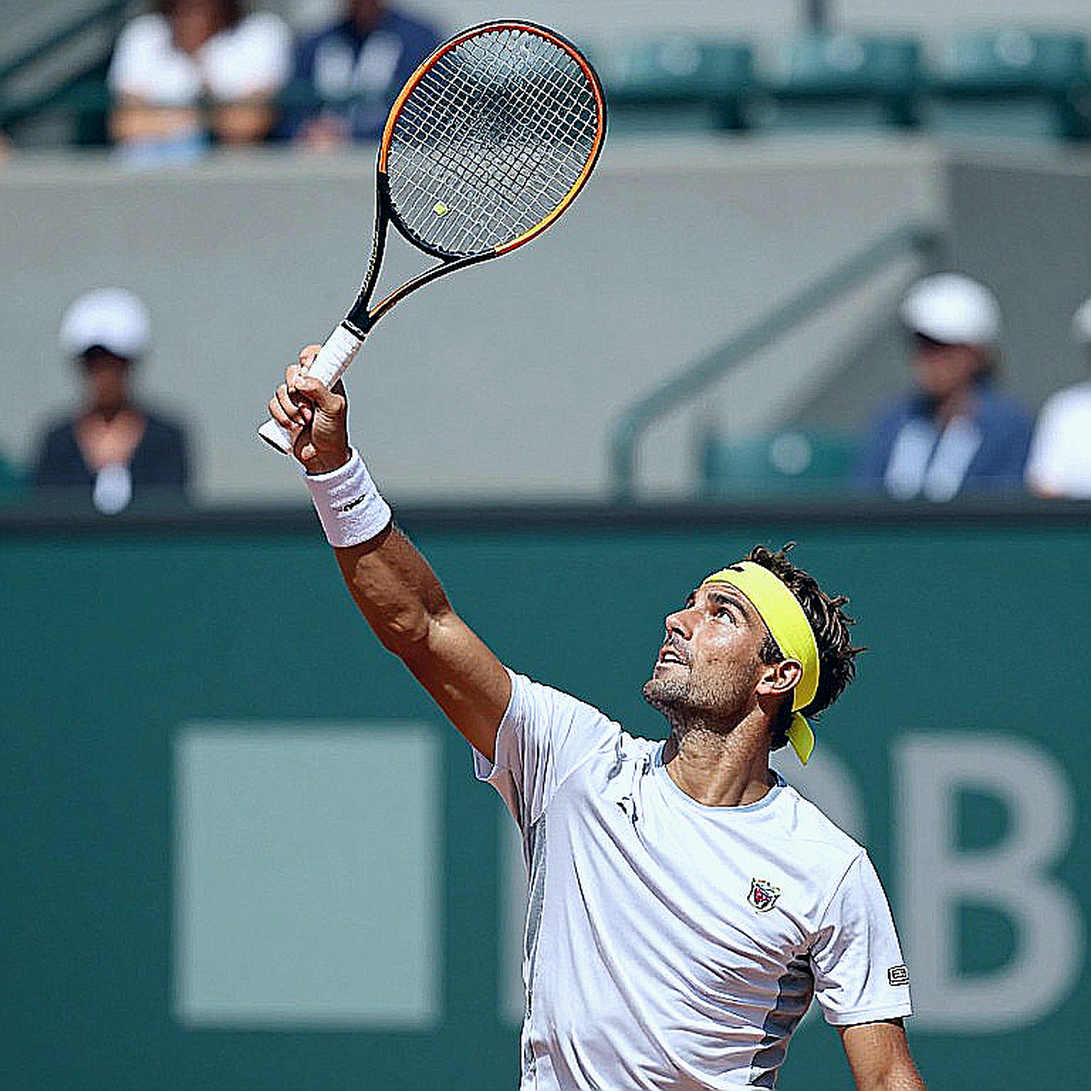
The team he is interning with – Hokuriku University – recently reached the final of the Japan National University Championship. This means Vinh is working with players who have good technical and physical foundations, while facing real competitive pressure. Vinh's training sessions span about 10 days, and he must submit a coaching report to JFA instructors for evaluation. Although specific data on session quality is not available, the reporting requirement ensures professionalism and quality control.
Another notable point: Vinh's drills may bear the imprint of modern JFA methodology, which emphasizes structured build-up play and quick transitions. However, the article does not provide details on the drills or player feedback, making it difficult to assess the tactical sophistication. This is a weakness of the current information, but also an opportunity for fans to await the final JFA report.
Part 3: Significance for Vietnamese Football
The fact that Le Cong Vinh chose Japan for his coaching education instead of Vietnam carries multiple meanings. First, it affirms the high quality of JFA coach training compared to domestic programs. Second, it opens deeper cooperation opportunities between VFF and JFA, especially under Technical Director Koshida. Vinh himself has shared that the learning environment in Japan helps him expand networks and access more updated curricula.
For the Vietnamese football ecosystem, this is a positive signal. A former star like Vinh, with his large influence, choosing international education can inspire many other players after retirement. If successful, Vinh could become a model for a new generation of Vietnamese coaches – those who rely not only on playing experience but also on systematic international training.
Moreover, the encouragement from JFA President Mr. Miyamoto reinforces confidence in this path. In a message to Vinh, Mr. Miyamoto expressed welcome and encouragement for Vietnamese students in JFA courses. This shows Japan values coaching talent development for neighboring countries, as part of a soft-power football diplomacy strategy.
Part 4: Risk Analysis and Public Pressure
Currently, public pressure on Vinh is very low. The article has a neutral tone, merely informing about his study process, without hype or inflated expectations. Vietnamese fans still hold affection for Vinh due to his goal-scoring record and AFF Cup victory. However, if Vinh later takes a professional coaching role and underperforms, pressure could increase.
In terms of risk, the most likely scenario is that Vinh's coaching report fails to meet JFA instructor standards. However, given his thorough preparation and professional support, this is highly unlikely. No financial, contractual, or disciplinary risks are involved.

Part 5: Knowledge Transfer Signals and Long-Term Vision
Vinh's journey is not just a personal story. It reflects a larger trend: the transfer of tactical knowledge from Japan to Vietnam through technical directors, training courses, and internships. VFF currently has a Japanese Technical Director, and Vinh's approach to Mr. Koshida shows trust in the JFA system.
Looking further ahead, after obtaining the A License and proceeding to the Pro License, Vinh could become a strong candidate for the position of Vietnam national team head coach in the future (around 2028 onwards). The next 3-5 years will be a crucial period for Vinh to accumulate practical experience – possibly as an assistant at a professional club or leading a youth team.
Readers interested in Vietnamese football should monitor signals: Vinh will receive his license in April 2027, followed by his first step in a coaching career. If more former Vietnamese players follow the Japan path, that will indicate a positive reform of domestic coach training.
Conclusion
Le Cong Vinh is writing a new chapter in his career – not on the pitch, but on the coaching bench. The journey to obtain the A License in Japan not only enhances his professional qualifications but also strengthens Vietnam-Japan football relations. Although there are no coaching achievements to evaluate yet, this step demonstrates a long-term, systematic vision. Fans have reason to hope, but need to be patient as Vinh proves his ability in his new role.