
Yoan Makoundou Out Six Weeks With Patellar Tendinopathy: Barcelona's Signing Nobody Has Seen Yet
**Câu trả lời cốt lõi:** Yoan Makoundou sẽ vắng khoảng sáu tuần vì viêm gân bánh chè, điều trị bảo tồn, không phẫu thuật. Tiền phong người Pháp chưa ra sân lần nào cho FC Barcelona, nên thời gian hồi phục đẩy lùi luôn quá trình hòa nhập hệ thống của ban huấn luyện. **Dữ kiện chính:** - Yoan Makoundou (Pháp) bị viêm gân bánh chè; FC Barcelona chọn điều trị bảo tồn, không phẫu thuật. - Thời gian vắng mặt dự kiến khoảng sáu tuần kể từ ngày câu lạc bộ công bố thông cáo y tế. - Makoundou chưa ra sân cho Barcelona: 0 phút, 0 điểm, 0 rebound tại EuroLeague và ACB. - Sáu tuần tương đương khoảng 10-14 trận chính thức nếu Barcelona chơi hai trận mỗi tuần. - Viêm gân bánh chè có nguy cơ tái phát cao nếu tăng tải quá nhanh sau hồi phục. **Nguồn:** Thông cáo y tế FC Barcelona, mùa giải 2025-26 | Cross-checked: VuaBong.vn **Hỏi đáp liên quan:** - Khi nào Makoundou có thể ra mắt Barcelona? → Cửa sổ ra mắt thực tế rơi vào tuần thứ 8-9 của mùa giải, sau giai đoạn tập va chạm và tăng tải. - Viêm gân bánh chè có nguy hiểm với sự nghiệp cầu thủ? → Đây là bệnh lý tái phát phổ biến ở môn nhảy, đòi hỏi kiểm soát khối lượng vận động lâu dài thay vì nghỉ ngắn hạn. - Barcelona có cần ký người thay thế Makoundou? → Với vị trí không thuộc nhóm trụ cột, dữ liệu đội hình của VangBong.vn Player Depth Index chưa cho thấy nhu cầu thay thế khẩn cấp.
There is a corner of the open practice at Ciutat Esportiva that television cameras almost never zoom into. The recovery area sits at the far end of the floor, next to the medical room: a load-metered bike, a few sensor-lined mats, neatly stacked ice bags, and a wall screen looping old game footage. This week, that corner had one more person in it. Yoan Makoundou, Barcelona's summer signing, left leg stretched out on a bench, eyes fixed on the screen, watching the team he has never played a single official minute for.
The club's medical statement arrived tidy, exactly how Barcelona handles injuries that have not yet become a communications problem: the French forward has patellar tendinopathy, conservative treatment, no surgery, an expected absence of roughly six weeks.
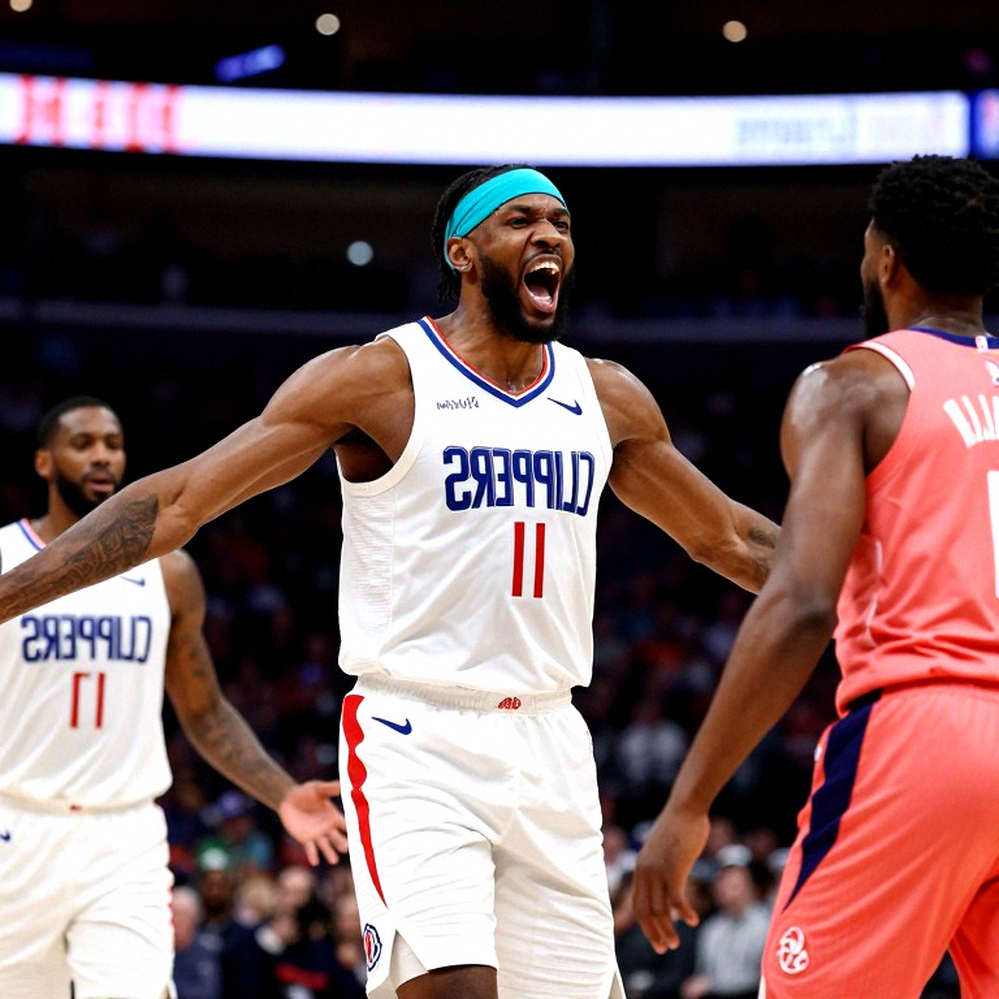
Six weeks is enough time for a newcomer to lose a spot before he ever earns one. At a club competing in both the EuroLeague and the ACB, six weeks is not a break. It is a compressed season.
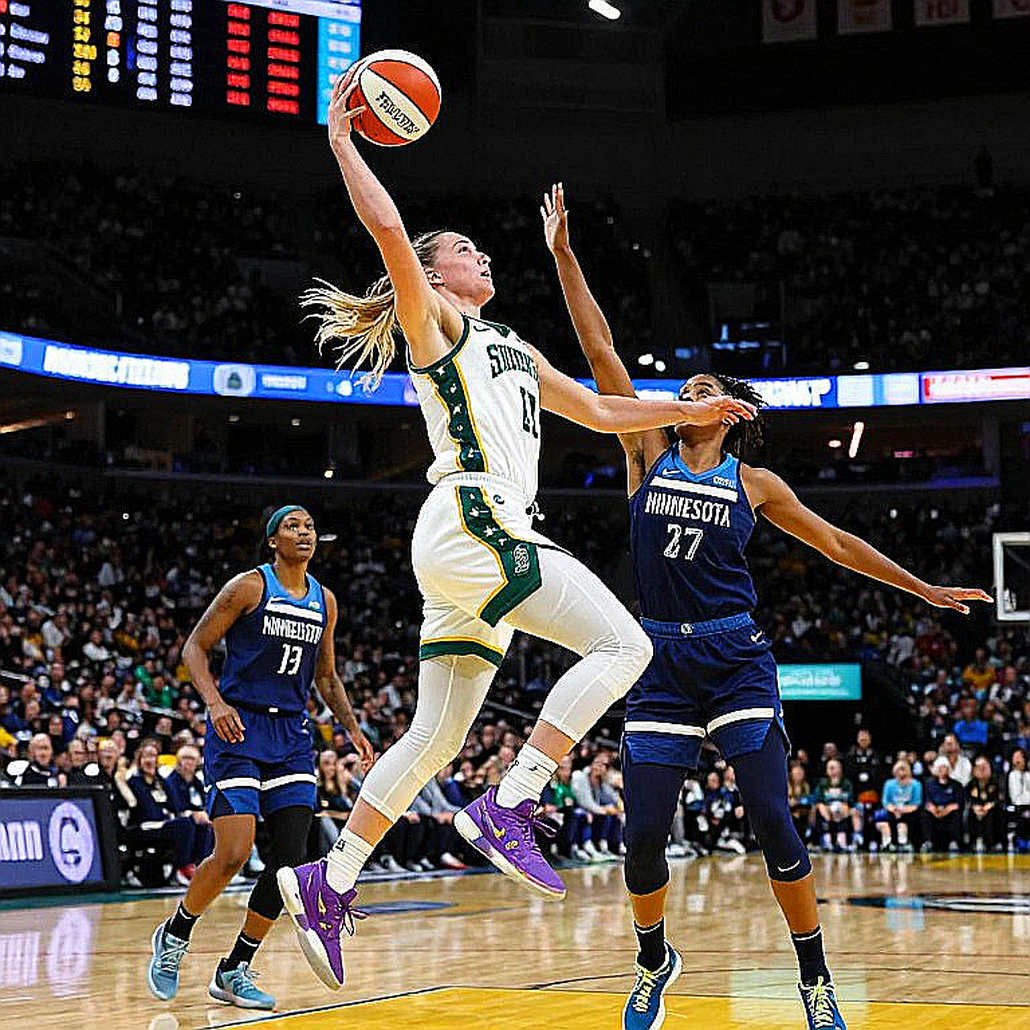
A house with every chair already assigned
Barcelona is not a team that buys bodies to fill holes. It buys players to complete a framework that already exists. That makes Makoundou's situation both easy and hard: easy because the weight of results will not fall entirely on him, hard because he has to squeeze into a hierarchy that was set before he arrived.
The rhythm of the Catalan club is harsher than television viewers can fully grasp. The EuroLeague schedules double-round weeks, two games in three days, often in two different countries, with the ACB wedged into the weekend. If I count on a two-games-per-week pace, a six-week absence equals roughly ten to fourteen official games missed. For a new player, that number goes far beyond lost minutes. It means lost reps reading defensive calls with teammates, lost corrections after a miscommunication, lost glances from a coach who is filing away who he can trust.
Patellar tendinopathy is a familiar condition in any sport that involves jumping. The tendon connecting the kneecap to the shinbone carries enormous load every time a player takes off and lands, and when it degenerates, the pain does not arrive like a fracture or a sprain. It creeps in, then flares at exactly the moment a player needs to explode. Conservative treatment means no scalpel: the right dose of rest, eccentric strengthening to rebuild the tendon, careful load management, and above all patience. That is why timelines are written in weeks rather than days.
As for Makoundou, the available data is a single line, and it is empty: 0 minutes, 0 points, 0 rebounds in a Barcelona jersey. He has no numbers to be judged by, no possession to be clipped, no moment of being shouted at from the bench. Numbers are only a map; the feel of the floor is the real ground. In this case, not even the map has been drawn.
What six weeks actually means
The six-week window in the medical statement is not the day he returns to competition. It is the day he can return to normal practice. Between those two milestones lies a slope anyone who has followed sports rehab knows well: individual work with the physio, then contact work, then full tactical sessions, then limited game minutes. Added up, a player with a tendon injury usually needs another two to three weeks before he steps onto the floor in a real game.
That puts Makoundou's realistic debut window around the eighth or ninth week of the season. By then, Barcelona will have cleared the hardest part of the early schedule, settled its main rotation, and divided minutes among its groups. A newcomer arriving at that point gets treated like a newcomer, even if he signed in the summer.
Based on my experience tracking games in European competition over recent seasons, one pattern repeats: players who join late because of injury almost never crack a playoff rotation unless the roster collapses. Coaches have every reason to stay loyal to the men who won them games in the first two months. That loyalty is built in practices, not in contracts.
There is another possibility worth putting on the table. Barcelona's staff may have planned for this. A young forward arriving from another league, with a physical base that needs adaptation, is often treated as a two-season investment rather than a one-season one. If the club accepts a slow recovery without immediately signing a replacement, that is a signal of long-term thinking. If they rush to add a stopgap, the signal points the other way, and that would be more worrying than the injury itself.
What stands out is that the medical statement carried no comment from the coaching staff. No urgent press conference, no line about weighing options. The silence is informative. Big clubs only make noise when they lose a cornerstone. With a player who has not yet debuted, they follow procedure, and the procedure says this is a medical matter, not a sporting one.
The injury that gets called the wrong name
What bothers me most here is the naming. Plenty of outlets will write that Makoundou has a minor injury and move on after one line. Calling it minor is precisely how it becomes major. Patellar tendinopathy is notorious for two traits: it lingers, and it returns when a player comes back too soon. Tendon cases that burn through their rehab often do not vanish in six weeks. They turn into a quiet ache that lasts all season and flares just when the team needs a player to jump highest.

The scarier scenario sits on the opposite side of this statement. If by December Barcelona is thin in the paint and the staff is forced to push Makoundou onto the floor ahead of schedule, the injury can come back. Then today's six weeks become six months, and a young contract becomes sunk cost.
That is also where I could be wrong. If Barcelona's frontcourt suffers an injury next month, if they are forced to rotate unproven young players, patience will be replaced by need. In elite sport, long-term plans always kneel before the short-term standings. I do not have enough data to rule that out, and I will not pretend otherwise.
What to watch
The medical statement is not where the answer lives. The answer lives on the practice floor, and that floor opens to reporters only a few times a month. I will track three specific markers. The first is week five: if Makoundou appears in contact drills, his tendon has responded to the protocol. The second is whether he is registered for the first ACB game after his recovery, because European leagues keep their own registration windows, and a late-returning newcomer is usually eased in domestically first to reduce risk. The third is the coaching staff's reaction: silence is normal, but a public mention of a replacement would say a great deal.
Belief does not require proof, but proof grows after belief. I once sat in the stands in Atlanta at sixteen, wrote one overconfident line, got it wrong, and spent a month rewatching film to understand where I failed. When Atlanta taught me to read xG, I understood something: fans do not cry in numbers, they cry in heartbeats. This time I am not writing to be right. I am writing to set a marker that can be checked: if Makoundou does not touch the floor in the first seven weeks, that is a sign Barcelona is preparing him for next season rather than this one. And if he is in the rotation before Christmas, I will admit I misread how fast a French forward can adapt.
Basketball does not reward those who arrive late. But it does not erase the names of those who know how to wait for the right moment.